Radial Mandala Backgrounds: A Designer's Guide to Symmetrical Harmony
In the world of digital design, finding a visual element that is both universally calming and deeply engaging can feel like searching for a needle in a haystack. We often default to gradients, abstract shapes, or high-resolution photography for our backgrounds. However, there is a timeless, mathematical beauty in the radial mandala that offers a unique alternative. These intricate, symmetrical patterns do more than just fill a space; they create a focal point, evoke a sense of order, and provide a visually rich texture that can elevate any project. If you are looking to infuse your digital spaces with a blend of meditative tranquility and artistic complexity, understanding how to effectively use radial mandala backgrounds is a skill worth mastering.
Understanding the Visual Language of the Mandala
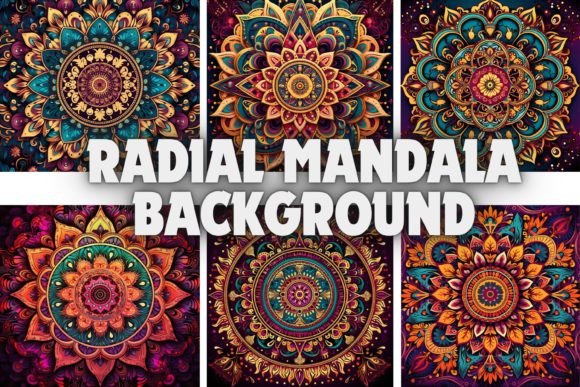
At its core, a radial mandala is a geometric configuration of symbols. In various spiritual traditions, it represents the universe, but in design, its value lies in its inherent structure. The "radial" aspect means all elements emanate from a central point, creating a sense of balance and completeness. This is not just a random pattern; it is a carefully orchestrated visual rhythm. The 12 HD backgrounds we are discussing are a perfect example of this. They are not merely colorful circles; they are complex compositions where every line, curve, and color field is intentionally placed to guide the eye inward. This creates a natural focal point, which is incredibly useful in design. Whether you are using one as a website hero image or a backdrop for a Zoom call, the viewer's attention is drawn to the center, where you can then place your content, logo, or a call to action. The style is inherently versatile—it can feel ancient and spiritual, or modern and digital, depending on the color palette and line work.
Where Radial Mandala Backgrounds Truly Shine
The practical applications for these backgrounds extend far beyond a simple desktop wallpaper. For entrepreneurs and small business owners, a radial mandala background can become a cornerstone of your brand identity. Imagine using a subtle, desaturated version of one of these patterns as the background for your business cards or letterhead. It immediately communicates a sense of thoughtfulness, precision, and creativity. For content creators and bloggers, these backgrounds are a goldmine. They make for stunning Instagram story backdrops, eye-catching Pinterest pins, or professional-looking headers for articles. The symmetry is inherently "shareable"—it is visually pleasing and stops the scroll. In the realm of digital design, they are invaluable for creating mockups. Place a product, a book cover, or a piece of art against a radial mandala, and the background does not compete; it complements, adding depth and context without overwhelming the subject.
Strategic Integration: Beyond Aesthetic Appeal
Choosing to use a radial mandala background is one thing; using it effectively is another. The key is to think of it as a design asset, not just a pretty picture. This is where the principles of visual hierarchy come into play. The intricate detail of the mandala can create a high level of visual texture. To maintain readability, any text or key graphic you overlay must have sufficient contrast. This often means using a solid, semi-transparent color block behind your text or choosing a mandala with a more muted or monochromatic palette. Think of it like choosing a display font—you would not set a paragraph of body copy in an ornate script. Similarly, you would not place a long block of text directly over a high-contrast, colorful mandala. The background's role is to support the primary message, not to become the message itself. For social media graphics, this is particularly important. A radial mandala can frame your quote or announcement beautifully, but ensure the text is legible at a glance.
Practical Considerations for Professional Use
When evaluating these assets for commercial projects, the same rigor you would apply to choosing a premium font should be applied here. First, consider the resolution. These are HD images, which is essential for print and high-DPI screens. Second, look at the color story. Do the palettes align with your existing brand identity? A vibrant, multi-colored mandala might suit a creative agency, while a single-color, geometric version might be better for a tech startup. Third, think about font pairing. If you are using a mandala background in a design that also includes typography, the fonts need to harmonize. A clean sans serif font often pairs well with the organic complexity of a mandala, providing a modern counterpoint. A elegant serif font can lean into the traditional, spiritual roots of the design. Test these combinations. Place your chosen typeface over the background at the size it will be used. Does it hold up? Does it feel like part of a cohesive system?
From Personal Projects to Commercial Campaigns
The beauty of this collection is its breadth. The 12 different compositions offer a range of moods, from serene and cool-toned to energetic and warm. This variety allows you to match the background to the specific emotional tone of your project. For a meditation app's promotional material, a soft, blue-hued mandala would be perfect. For a festival poster, a vibrant, warm-toned one would capture the energy. For personal use, like a phone or desktop background, the choice is purely about what brings you a sense of calm and focus every time you look at your screen. In a professional context, this translates to audience engagement. A well-chosen background can subconsciously influence how a viewer perceives your brand—whether as innovative, trustworthy, creative, or calming. It is a subtle but powerful layer of communication, much like the choice between a handwritten font for a friendly brand and a geometric sans serif for a corporate one. The radial mandala is a versatile design asset that, when used with intention, can significantly enhance the visual narrative of any project, from a simple social post to a comprehensive brand rollout.