Shabby Chic Rose Backgrounds: A Designer's Guide to This Elegant Asset
There's a particular kind of visual comfort that comes from a design that feels both time-worn and tenderly preserved. It’s the aesthetic of a cherished heirloom, a sun-bleached photograph, or a well-loved book found in a quaint antique shop. This is the heart of the shabby chic style, and few elements capture it as perfectly as a beautifully crafted Shabby Chic Rose Background. More than just a decorative pattern, these backgrounds are a versatile design asset that can infuse projects with a sense of romance, nostalgia, and gentle sophistication.
The Enduring Appeal of Faded Floral Beauty
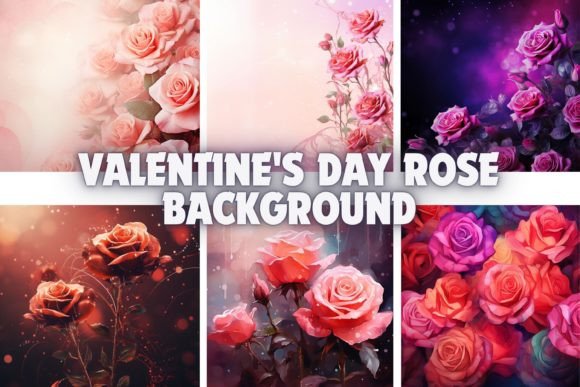
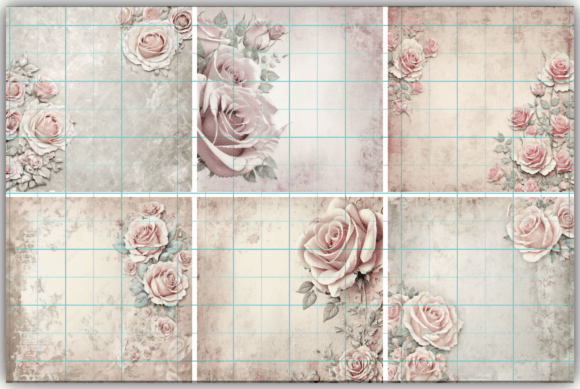
At its core, a shabby chic rose background is defined by its soft, distressed texture and a palette that whispers rather than shouts. Imagine the gentle blush of a peony, the creamy ivory of a garden rose, or the muted sage of its leaves, all layered with a subtle, weathered overlay. The effect isn't pristine; it's beautifully imperfect. You'll often see soft watercolor bleeds, delicate ink lines, or a textured, almost fabric-like grain that adds depth and authenticity. This isn't the bold, graphic floral of modern pop art. It's the quieter, more introspective cousin, evoking a feeling of a cottage garden after a light rain.
The personality of these backgrounds is inherently romantic and feminine, but with a grounded, artisanal quality. It avoids feeling overly saccharine because of the "shabby" element—the distressed edges, the faded hues, and the imperfect textures that give it character and history. This balance is key to its broad appeal. It speaks to a desire for authenticity and handmade charm in a digital world, making it a powerful tool for creating an immediate emotional connection with an audience.
Where These Backgrounds Truly Shine: Practical Applications
The versatility of shabby chic rose backgrounds is one of their greatest strengths. They are not confined to a single niche but can be adapted to serve a wide range of creative and commercial goals. For designers and brand strategists, these backgrounds are a secret weapon for crafting a distinct brand identity, especially for businesses in the wedding, lifestyle, wellness, or artisanal goods sectors. A soft, rose-patterned background can become the foundation of a visual system for a boutique bakery, a floral studio, or a high-end skincare line, immediately communicating values of care, quality, and elegance.
In marketing and publishing, their utility is just as potent. Use them as the canvas for social media graphics to stop the scroll with a touch of timeless beauty. They work exceptionally well as backgrounds for quotes, testimonials, or promotional announcements. For editorial design, think of the chapter pages in a lifestyle magazine or the cover of a romance novel. In packaging design, a subtle rose background on a gift box, a candle label, or a stationery set can elevate the perceived value, making the product feel like a special discovery. Even in web design, a carefully applied background texture can add warmth and personality to a homepage banner or a blog sidebar, making a digital space feel more inviting and human.
Making It Work: Guidance for Effective Implementation
Integrating a shabby chic rose background into a project requires a thoughtful approach to ensure it enhances rather than overwhelms. The first step is always evaluation. Does the project's tone align with the background's personality? It’s a perfect fit for a wedding invitation suite but might clash with the sleek, minimalist aesthetic of a fintech startup. Always consider your audience and the message you want to convey.
When it comes to font pairing, contrast and harmony are your guiding principles. The ornate, often delicate nature of these backgrounds pairs beautifully with clean, legible typefaces. A simple sans serif font for body text provides a modern counterpoint and ensures readability. For headlines or accent text, a refined serif font can complement the classic feel, while a subtle script font or handwritten font can amplify the romantic, personal touch—though these should be used sparingly to maintain clarity. The goal is to create a visual hierarchy where the text remains the hero, supported by the atmospheric background.
Practically speaking, always review the specific styles included in a background pack. Many offer variations like seamless patterns, bordered vignettes, or isolated elements, giving you flexibility. Test the background at the scale it will be used. A texture that looks beautiful up close might become noisy or distracting when tiled across a large website header. For any commercial project, it's non-negotiable to verify the licensing. Ensuring you have the proper rights for commercial font and asset use protects your work and your client's investment. By treating these backgrounds as a key component of your design assets—with the same care as choosing a premium font—you can unlock their full potential to create cohesive, professional, and emotionally resonant designs that truly stand out.