Geometric Pattern Backgrounds for Covers: A Designer's Toolkit
There's an immediate sense of order and modern appeal when you open a file containing a well-designed geometric pattern background. For designers, publishers, and creators, these assets are more than just fills; they are foundational elements that set the tone for an entire project. "Abstract Precision: Geometric Pattern Backgrounds" represents a specific style—clean lines, mathematical harmony, and a structured aesthetic that can bring a powerful sense of professionalism and clarity to your work. Think of them as a versatile design asset, akin to a carefully chosen typeface that anchors your visual communication.
The Visual Language of Precision
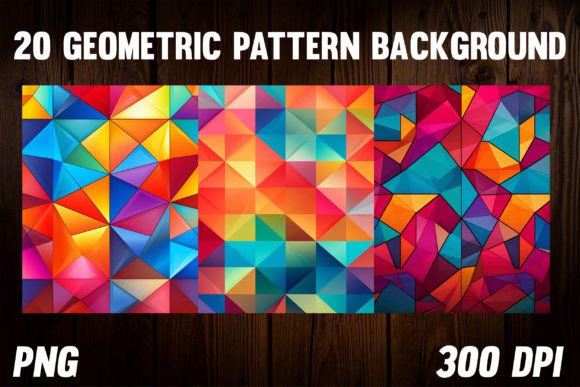
What defines the personality of these geometric backgrounds? It’s a style built on symmetry, repetition, and balance. You'll find intricate tessellations, bold hexagonal grids, delicate interlocking circles, and sharp, angular compositions. The appeal lies in their controlled energy. They suggest innovation, technology, and forward-thinking without being overly chaotic. Unlike a random texture, a geometric pattern has intent. It guides the viewer’s eye along predictable paths, creating a rhythm that is both calming and engaging. This makes them exceptionally effective for projects where you need to communicate stability, expertise, or cutting-edge design. The "Abstract Precision" collection, for instance, offers this harmonious blend of shapes, providing a visually captivating backdrop that doesn't overwhelm the primary content.
Strategic Applications Across Projects
Understanding where these backgrounds excel is key to leveraging their full potential. Their versatility is a major strength, but specific applications yield the best results.
For Brand Identity and Marketing
A geometric background can become a signature element of your brand identity. Use a subtle pattern on your website header, business cards, or presentation templates to create a consistent and recognizable visual language. In marketing, these patterns are perfect for social media graphics—think Instagram story backgrounds, LinkedIn banner images, or Facebook post templates. They provide a professional canvas that makes overlaying text and product shots look intentional and polished, enhancing brand perception and audience engagement.
In Publishing and Digital Products
This is where the connection to Amazon KDP and printables becomes particularly practical. A geometric pattern background is an ideal choice for book covers, especially in genres like business, technology, self-help, or contemporary fiction. It provides a modern, clean look that stands out. For interior pages, these patterns can be used as chapter headers, page borders, or section dividers in journals, planners, and coloring books. The key is ensuring the pattern's density and contrast are appropriate—it should support the content, not compete with it. For a coloring book, a clear, bold line pattern is essential for usability.
Digital and Print Design
Think beyond static images. These backgrounds work beautifully in web design as hero image overlays or section backgrounds, in editorial design for magazine layouts, and in packaging design for product boxes or labels. They add a layer of sophistication that can elevate the perceived value of the final product. When used in digital art, they serve as a dynamic starting point for compositions, adding depth and visual interest.
Practical Guidance for Selection and Use
Choosing and implementing these backgrounds effectively requires a thoughtful approach. Here’s how to integrate them into your workflow.
Evaluating Fit and Testing
Before downloading or purchasing, consider the project's core message. Does the personality of the geometric pattern align with your brand's voice? A sharp, angular pattern might suit a tech startup, while a softer, circular motif could work for a wellness brand. Always test the background with your actual content—your logo, your headlines, your images. See how the elements interact. Does the text remain readable? Does the visual hierarchy feel clear?
Font Pairing and Readability
This is critical. A complex geometric background pairs best with simpler, cleaner typefaces. A sans serif font or a clean serif font for body text often works well, as it provides a clear counterpoint to the pattern's intricacy. Avoid using highly decorative script fonts or handwritten fonts directly on top of a busy pattern, as legibility will suffer. Use the background to frame your text, perhaps by placing it behind a semi-transparent color block or within a designated area, ensuring your message is front and center.
Licensing and Practicality
For commercial projects, always verify the licensing terms. A commercial font or asset license should cover your intended use, whether for client work, products for sale, or digital downloads. Check the file formats—are they high-resolution enough for print? Are they provided in formats suitable for digital use? A quality collection like "Abstract Precision" will be formatted to meet specifications like those for Amazon KDP, ensuring seamless integration into your printables and coloring books.
In essence, geometric pattern backgrounds are a powerful tool in the modern designer's toolkit. They offer a way to inject structure, sophistication, and visual interest into a wide array of projects. By understanding their inherent style and applying them with strategic consideration for readability and brand alignment, you can transform a simple layout into a compelling and professional piece of visual communication. The goal is not just to use a pattern, but to use it with purpose, allowing its inherent precision to elevate your creative work.