20 White Wood Backgrounds: A Rustic Digital Toolkit
In the world of digital design, finding assets that feel authentic is half the battle. You want textures that look real, not manufactured. That's exactly why I've been so impressed with the 20 White Wood Backgrounds collection. It's more than just a set of images; it's a carefully curated toolkit for anyone looking to infuse their work with a sense of natural, rustic elegance. I remember working on a branding project for a local artisan bakery, and we needed a background that felt warm and homemade, but still clean and professional. Standard stock photos felt sterile, and over-the-top rustic textures were too distracting. A collection like this would have been a lifesaver.
The Heart of the Collection: Authentic Texture and Versatility
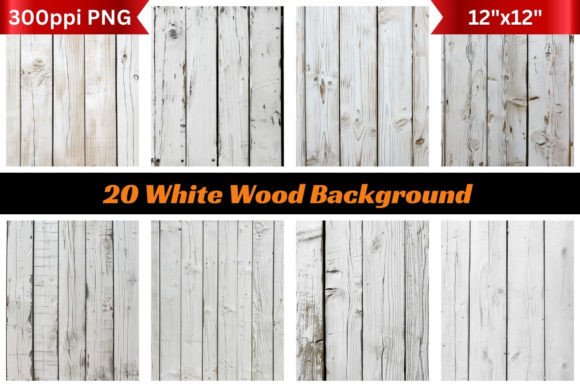
What sets these backgrounds apart is their commitment to realism. Each one captures the subtle details of weathered white wood—the gentle grain patterns, the soft, sun-bleached tones, the occasional knot or imperfection that tells a story. This isn't a flat, digital-looking texture. It has depth and character. The "white" in the name is key; it provides a neutral, airy foundation that doesn't overwhelm your main content. Think of it as a beautiful, high-resolution canvas. Whether you're a designer crafting a website header, a marketer creating an Instagram post, or a crafter designing a wedding invitation, the 20 White Wood Backgrounds provide a consistent, high-quality starting point.
The personality of this collection is one of approachable sophistication. It’s rustic, but not rough. It’s clean, but not cold. This balance makes it incredibly versatile. It can support a minimalist brand identity just as well as it can complement a more detailed, vintage-inspired design. The style evokes feelings of comfort, authenticity, and craftsmanship—qualities that resonate deeply with audiences today.
Putting Your White Wood Backgrounds to Work
Let's talk practical applications. Where do these backgrounds truly shine? The list is surprisingly long.
- Branding and Logo Design: Use a subtle wood texture as a background for your logo mockups on business cards or letterheads. It immediately communicates a brand that values quality and natural materials. It pairs beautifully with both serif fonts for a classic feel and clean sans serif fonts for a modern contrast.
- Web and Digital Design: A white wood background is perfect for website hero sections, blog post featured images, or social media graphics. It adds visual interest without creating the "busy" look that can hurt readability. It's a fantastic way to make your digital art or product photos pop.
- Publishing and Editorial Design: Imagine a cookbook with chapter openers set against a soft wood grain. Or a magazine layout for a home décor feature using these textures. They provide a cohesive, thematic backdrop that enhances the storytelling.
- Packaging and Product Design: For products in the food, wellness, or handmade goods space, a wood texture can be integrated directly into packaging design. It reinforces the product's story and creates a shelf presence that feels genuine and trustworthy.
- Personal and DIY Projects: From digital scrapbooking to creating custom desktop wallpapers or printable wall art, these backgrounds are a dream for hobbyists. They provide a professional-grade foundation for personal creative expression.
The influence on your final product is significant. A well-chosen background like this improves visual hierarchy by providing a textured but non-competing field for your text and images. It boosts brand perception by aligning your visuals with values of authenticity and quality. And it enhances audience engagement because it feels more human and relatable than a generic solid color or a cliché stock photo.
Choosing and Using Your Backgrounds Effectively
So, you've decided the 20 White Wood Backgrounds are right for you. Here’s how to get the most out of them.
- Evaluate the Variety: Don't just look at the first one. Browse all twenty. Some will have a tighter, more uniform grain, while others will have a more pronounced, rustic character. Choose the one that best matches the mood of your specific project. A tight grain might be better for a professional web header, while a more weathered texture could be perfect for a vintage-style social media graphic.
- Test Your Font Pairings: This is crucial. The texture of the wood is a design element in itself. You need to ensure your typography remains legible. Generally, display fonts with clean lines work well for headlines, while a simple, readable body font is essential. A bold script font could work for a logo or a single word, but be cautious with long paragraphs of handwritten fonts, as they can become difficult to read against the texture.
- Consider the Overlay: You don't always have to use the background at full opacity. In your design software, try lowering the layer opacity or using blend modes like "Multiply" or "Soft Light" to integrate the texture more subtly into your color scheme. This is a pro technique for achieving a sophisticated, branded look.
- Check the Resolution and Licensing: A high-quality download is non-negotiable. You need high-resolution files that won't pixelate when scaled for large prints or detailed projects. Also, verify the licensing. For any commercial use—whether it's for a client's website, a product you sell, or marketing materials for your business—you need to ensure the license permits it. This is a standard part of using design assets professionally.
In my experience, the best results come from treating these backgrounds as a foundational layer, not the main event. Their job is to support your content, set the tone, and create a cohesive environment. When used thoughtfully, the 20 White Wood Backgrounds become a powerful tool in your creative arsenal, helping you build a visual world that is both beautiful and believable. It’s a simple investment that can significantly elevate the professionalism and emotional impact of your work.