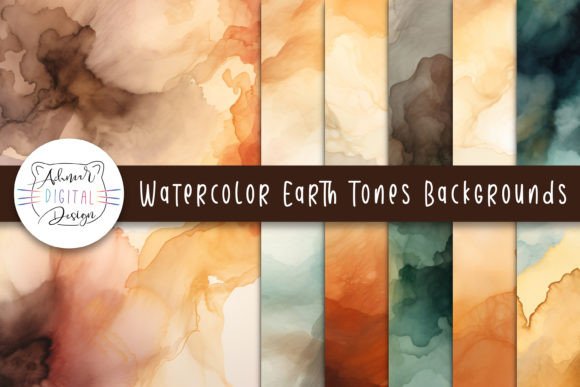
Watercolor Earth Tones Backgrounds: A Foundation for Natural Design
There's a certain quiet power in designs that feel grounded, organic, and connected to the natural world. In a digital landscape often saturated with sharp vectors and neon gradients, the return to earthy, tactile aesthetics offers a refreshing sense of calm and authenticity. This is precisely the space where Watercolor Earth Tones Backgrounds excel. They provide more than just a surface; they offer a mood, a texture, and a versatile foundation for projects that aim to feel genuine, artisanal, and thoughtfully crafted.
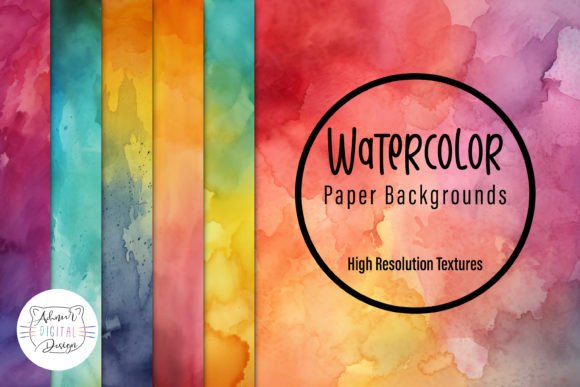
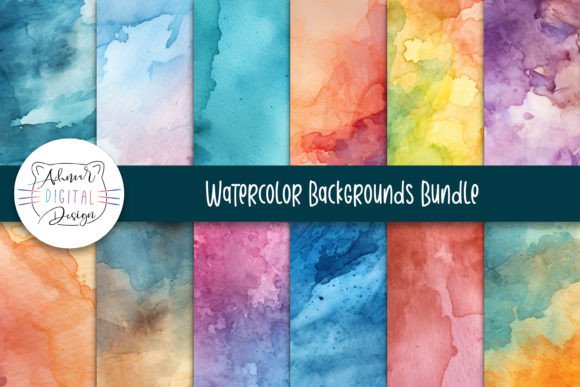
So, what exactly defines this collection? Imagine the subtle, beautiful imperfections of hand-painted watercolor, translated into a digital format. The palette is drawn from nature itself: think the warm ochre of sun-baked clay, the soft sage of lichen on stone, the muted terracotta of desert landscapes, and the gentle beige of handmade paper. These aren't flat, uniform colors. Each JPEG file captures the delicate washes, subtle color bleeds, and organic grain that give watercolor its unique character. The result is a set of six backgrounds that feel both premium and approachable, capable of adding depth and warmth without overwhelming your core message.
Where Organic Texture Meets Modern Application
The true strength of a resource like this lies in its adaptability. It’s not a single-use design asset; it’s a toolkit for building cohesive visual narratives across numerous mediums. For brand identity and logo design, these backgrounds can instantly communicate a brand's values—think artisanal food products, sustainable fashion labels, wellness studios, or boutique hotels. A logo set against a subtle watercolor wash gains a layer of sophistication and handcrafted appeal that sterile white space often can't achieve alone.
This aesthetic translates beautifully into the world of packaging design. A product label using a Watercolor Earth Tones Background feels immediately more premium and connected to nature, perfect for cosmetics, teas, coffee blends, or handmade goods. The texture suggests quality and care before the customer even reads a word. Similarly, in editorial design, these backgrounds can transform a simple magazine layout, book cover, or digital newsletter. They provide a visually engaging canvas that supports typography without competing with it, making them an excellent choice for both headings and pull quotes when paired with the right serif font or clean sans serif font.
For digital creators and marketers, the applications are just as potent. Social media graphics built on these textured bases stop the scroll. A motivational quote, a sale announcement, or a podcast promotion gains immediate visual hierarchy and emotional resonance. In web design, they can be used hero sections, blog post headers, or subtle sidebar accents, adding a human touch to digital interfaces. They also work wonderfully for creating mockup scenes for planners, journals, or stationery, allowing you to present your own designs within an authentic, styled environment.
A Practical Guide to Working with These Backgrounds
Integrating a new design asset effectively requires a bit of strategy. First, consider the font pairing. The organic, irregular nature of watercolor grounds bold, geometric display fonts beautifully, creating a compelling contrast between the fluid background and structured letterforms. For body text, a highly legible modern typography choice—a simple sans serif or a classic serif—will ensure readability against the textured backdrop. A delicate script font or handwritten font can also harmonize wonderfully, leaning into the artisanal feel for invitations or boutique branding.
When evaluating fit for a project, test the backgrounds with your content early. Place your logo, headline, and key text elements over a few of the options. Does the texture enhance or distract? At 300 DPI, the files are optimized for high-quality print projects, from business cards and flyers to posters and product tags. The resolution also ensures crispness on high-definition screens, making them reliable for digital use. Remember, the goal is visual hierarchy. Use the background to set the stage, but ensure your primary message—whether it's a call-to-action or a brand name—remains the star of the show.
Think of these Watercolor Earth Tones Backgrounds as the foundational layer of a larger creative system. They are a starting point. You might overlay them with subtle grain, use them at reduced opacity, or combine them with other graphic elements. Their versatility encourages experimentation. Whether you're a small business owner crafting your first brand identity, a blogger designing a cohesive series of pins, or a designer developing a full packaging design suite, this collection provides a consistent, professional-quality texture that can unify diverse elements. The included commercial font license (for the backgrounds themselves) typically allows for use in client projects and commercial products, which is a crucial detail for professionals. Don’t just add another file to your library; acquire a versatile tool that can elevate the tactile and emotional quality of your work for years to come.