Transforming Digital Projects with Dreamy Pastels
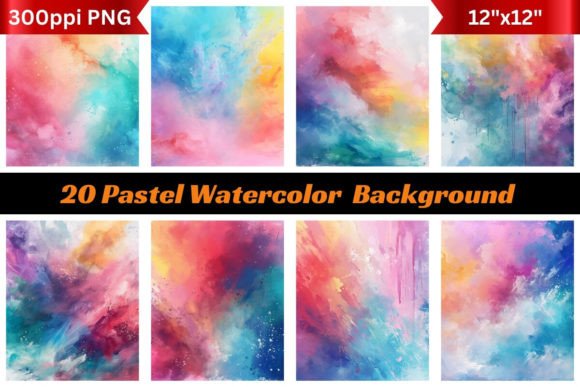
In the world of digital design, the background is rarely just a backdrop; it is the atmosphere. A stark white canvas feels clinical, while a complex pattern can be distracting. There is a specific "sweet spot" that professional designers and content creators often seek: a texture that feels organic, warm, and high-quality without overwhelming the foreground content. This is precisely where the 20 Pastel Watercolor Backgrounds collection shines. It bridges the gap between raw artistic expression and digital utility, offering a solution for anyone looking to soften their visual branding or add a tactile feel to their online presence.
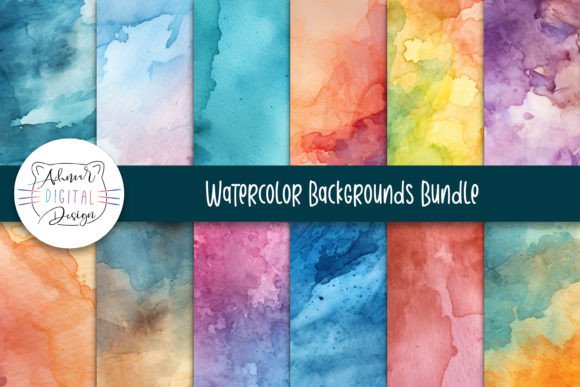
When we talk about watercolor in a digital context, we are usually discussing "digital assets" that mimic the physical medium. However, the quality of these assets varies wildly. Low-resolution blobs of color often look amateurish. The 20 Pastel Watercolor Backgrounds, however, are designed to be different. They are not merely filters; they are high-resolution scans or meticulously crafted digital paintings that retain the grain of the paper and the bleed of the pigment. This "Dreamy Pastels" set focuses on a specific color palette—soft lavenders, muted pinks, pale blues, and gentle creams—that evokes a sense of calm and sophistication. For a designer, this means having access to a "premium font" equivalent in the world of imagery: a reliable, high-quality asset that elevates the entire project.
The Versatility of Soft Pastel Hues
One of the primary strengths of this collection is its adaptability. We often associate watercolor with wedding invitations or baby shower graphics, and while it excels there, the 20 Pastel Watercolor Backgrounds are far more versatile. In modern web design, flat colors are giving way to subtle gradients and organic textures. These backgrounds work exceptionally well as hero images on landing pages where you want to convey approachability and creativity. They can serve as the foundation for a social media graphics strategy, particularly for brands in the wellness, lifestyle, education, or creative coaching sectors.
Consider the practical application for a small business owner. You might not have the budget for a professional photoshoot every time you launch a new product or service. Using these backgrounds allows you to create a consistent visual identity. By layering text over these watercolors, you create a "canvas" that feels bespoke. It is important to treat these backgrounds much like you would a serif font or a sans serif font—as a tool for hierarchy. The soft, ethereal nature of pastels ensures that they don't compete with your message. Instead, they frame it, providing a gentle resting place for the viewer's eye.
Integrating Watercolor into Brand Identity
Visual identity is about consistency. When a brand uses the same color palette and texture across different touchpoints, it builds recognition. The 20 Pastel Watercolor Backgrounds offer a cohesive range of hues that can be used to unify disparate elements. For example, you can use a pale blue watercolor wash for your website headers, a soft pink variation for your Instagram story highlights, and a lavender shade for your email newsletter headers. This repetition of texture creates a subconscious connection for your audience, signaling that your brand is thoughtful and aesthetically aware.
This collection also pairs beautifully with various typography styles. If you are working with a script font or a handwritten font for a logo or headline, the organic nature of watercolor complements the irregularity of the lettering. It creates a "hand-made" feel that is very popular in the creator economy. Conversely, placing a clean, geometric sans serif font over a watercolor background creates a striking contrast between the rigid structure of the type and the fluid nature of the art. This is a classic design technique to ensure readability while maintaining visual interest. The watercolor acts as the texture, while the typography provides the clarity.
Practical Guide to Using These Assets
To get the most out of the 20 Pastel Watercolor Backgrounds, it helps to understand a few technical and creative nuances. Because these are high-resolution pastel backgrounds, they are large files. This is a benefit for print quality, but for web use, you will likely need to optimize them to ensure your site loads quickly. Most content management systems allow you to compress images without losing the visual "softness" that makes watercolor appealing.
Here are a few practical tips for implementation:
- Layering and Opacity: Don't be afraid to play with the opacity of the background. Sometimes, a full-strength watercolor wash is too vibrant. Lowering the opacity to 50% or 70% can create an even more subtle, "ghosted" effect that is perfect for background textures in editorial design or packaging design.
- Color Overlays: If the pastel palette doesn't quite match your specific brand color, try applying a "multiply" blend mode in your design software. This allows the watercolor texture to remain while shifting the hue to match your brand's primary color.
- Typography Selection: When overlaying text, ensure there is enough contrast. Pastel backgrounds are light by nature, so you generally want to use a darker, heavier weight font. A thin, light-weight modern typography style might get lost against the paper texture. Bold headers usually work best.
Applications Beyond the Screen
While digital application is the primary use case, the utility of the 20 Pastel Watercolor Backgrounds extends into the physical world through print-on-demand services. For crafters and hobbyists, these backgrounds are ideal for creating custom stationery, planner stickers, or even art prints to sell on platforms like Etsy. The "ethereal watercolor strokes" provide a professional finish that DIY projects often lack. Because the files are high-resolution, they translate well to print, maintaining the soft gradients without pixelation.
For entrepreneurs developing brand identity kits, these assets can serve as the "texture" element of the brand guidelines. Just as you define which display font to use for headers, you can define which watercolor wash to use for specific content types. Perhaps the blue wash is for educational content, and the pink wash is for promotional content. This systematic approach to using design assets ensures that your marketing materials look cohesive, whether they are viewed on a phone screen or printed as a brochure.
Ultimately, the value of a resource like the 20 Pastel Watercolor Backgrounds lies in its ability to solve visual problems. It solves the problem of the "blank page." It solves the problem of inconsistent branding. And it solves the problem of needing high-quality, artistic visuals without the time or skill required to paint them from scratch. By incorporating these whimsical digital art assets into your toolkit, you are equipping yourself to produce work that feels polished, professional, and deeply human.