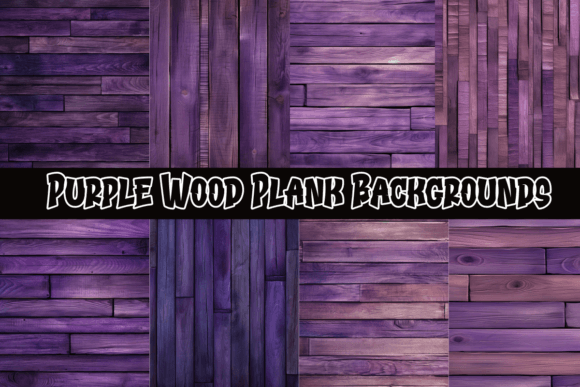
Purple Wood Plank Backgrounds: A Unique Design Asset
The Allure of Purple-Toned Wood Textures
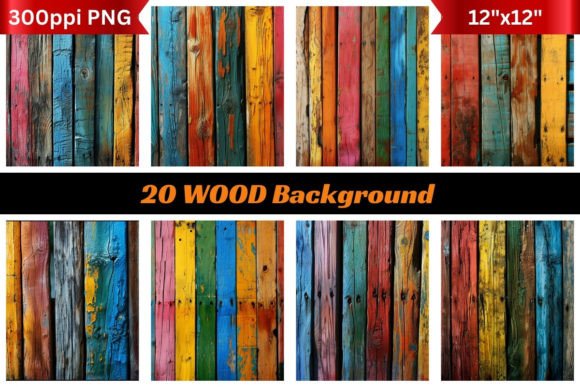
There’s a reason wood textures remain a cornerstone of design. They offer warmth, authenticity, and a connection to the natural world. But what happens when you step beyond the expected browns and greys? Purple wood plank backgrounds introduce a layer of unexpected sophistication and mystique. Imagine the familiar, comforting grain of weathered oak or pine, now infused with the deep, regal tones of amethyst, lavender, or rich plum. This isn’t just a color swap; it’s a reimagining of a classic element, creating a backdrop that feels both organic and utterly magical.
Visually, these backgrounds are a study in contrast and harmony. The natural knots, rings, and linear grain patterns provide the structural integrity and tactile feel we associate with wood. The purple palette, however, shifts the mood entirely. Deep, saturated purples evoke luxury, creativity, and depth, while softer lilac or mauve tones can feel calming, whimsical, or vintage. This combination allows the texture to serve as a powerful design asset that doesn’t just fill space but actively contributes to the narrative. It’s a creative font for the eyes, setting a distinct tone before a single word is read.
Practical Applications for Designers and Creators
So, where does this unique texture truly shine? The versatility of purple wood plank backgrounds might surprise you. For brand identity projects, especially those targeting creative industries, artisanal products, or wellness brands, this texture can become a signature element. Use it as a subtle background in a logo design presentation, on packaging for a boutique candle line, or as the hero image for a social media campaign. It immediately signals that a brand is different, thoughtful, and unafraid to blend natural and fantastical elements.
In the realm of digital design, the applications are vast. As a web design element, a muted version can serve as an engaging background for a portfolio site, a music streaming platform, or a blog focused on fantasy literature or interior design. It adds character without overwhelming the content, especially when paired with clean, modern sans serif font choices for body text. For social media graphics, these backgrounds are gold. They make Instagram posts, Pinterest pins, and Facebook covers pop in a crowded feed, offering a cohesive and visually striking aesthetic that boosts engagement.
Beyond digital, think about editorial design and print. A book cover for a mystery novel, a magazine feature on alternative art, or an event poster for a music festival could all leverage this texture to great effect. It provides a rich, tactile quality even in digital print files. For crafters and hobbyists, the backgrounds are perfect for digital scrapbooking, creating custom stationery, or designing unique invitations that stand out from the standard floral or geometric patterns.
Integrating This Texture into Your Workflow
Choosing to use a purple wood plank background is the first step. Integrating it effectively is where the real craft comes in. The key is to treat it as you would any other premium font or design asset—with intention. First, consider the personality of your project. Is it aiming for elegance, mystery, or playful creativity? Select a shade of purple from the collection that aligns with that goal. A dark, near-black purple conveys seriousness, while a bright violet feels more energetic and youthful.
Next, think about font pairing. The strong visual character of the background demands typography that can hold its own without creating chaos. A bold, geometric sans serif font often works beautifully for headlines, offering a clean counterpoint to the organic texture. For longer body text, a highly legible serif font or a simple sans serif ensures readability. Avoid overly ornate script font or handwritten font styles for main text, as they can become lost against the detailed grain. Instead, reserve those for accents or logos.
Always test your combinations. Place your chosen typeface over different sections of the background to check for legibility. You may need to add a slight color overlay or a subtle text shadow to ensure the words remain crisp and clear. This is where understanding visual hierarchy is crucial. The background should support your message, not compete with it. Use it to frame key sections, create depth behind a call-to-action, or establish a consistent mood across a series of social media graphics.
Finally, always verify the licensing. If you're using these backgrounds for a client's brand identity or commercial product, ensure you have the appropriate commercial font and asset license. Reputable collections provide clear terms, allowing you to use the work confidently in packaging design, merchandise, and digital ads. By approaching purple wood plank backgrounds with a strategic eye, you transform a striking visual element into a cornerstone of professional, memorable design that resonates with your audience.