Heart Embroidery Backgrounds Wallpaper: A Digital Crafting Asset
There’s a specific kind of texture that stops a viewer mid-scroll. It’s the tactile illusion of thread on fabric, the intricate detail of needlework captured in a digital format. When you’re building a brand, designing a product, or curating a space—whether physical or digital—backgrounds matter. They set the tone before a single word is read. This is where Heart Embroidery Backgrounds Wallpaper enters the conversation, not as a mere image, but as a foundational design asset for creators who value depth and craftsmanship.
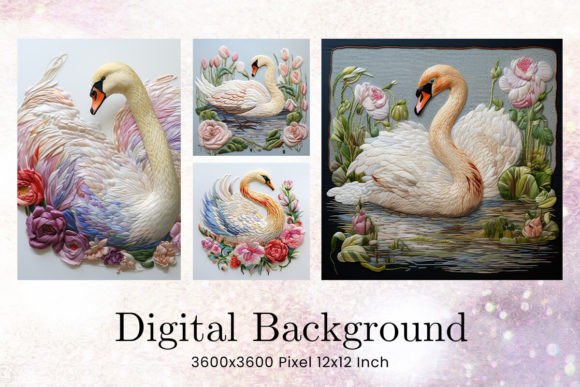
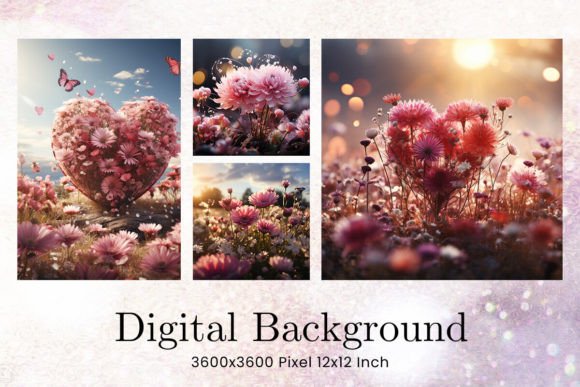
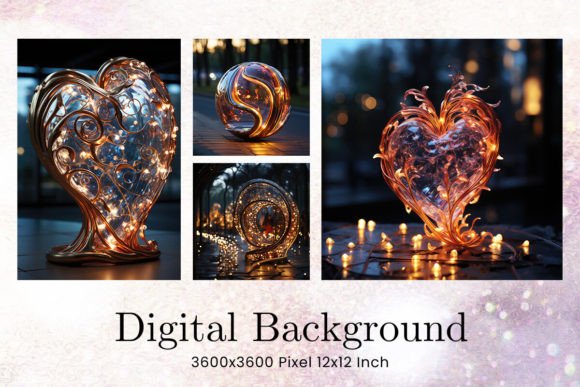
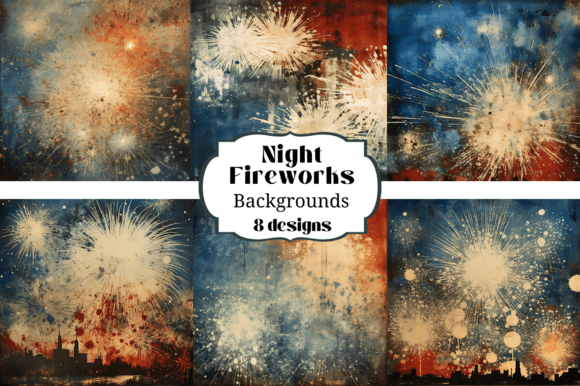
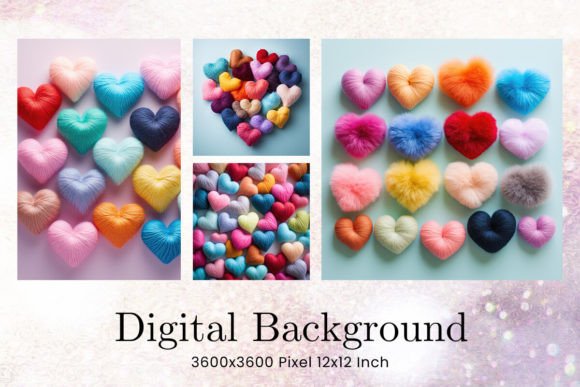
Let’s be clear about what this is: a high-resolution digital file. It’s a PNG download designed for sublimation or graphic design work. You won’t receive a physical poster or a framed piece; what you get is four high-quality JPG files at 300 DPI, each sized at 12" x 12". This format is the standard for digital scrapbooking papers and printable designs, offering a perfect square canvas that can be scaled and cropped to fit a multitude of projects. The appeal lies in its versatility. This isn’t just a wallpaper for your desktop; it’s a raw material for your creative pipeline.
The Visual Language of Stitched Texture
The core personality of this asset is warmth, nostalgia, and handcrafted authenticity. Visually, it mimics the look of detailed embroidery—the slight sheen of thread, the raised texture of stitches forming heart motifs, the subtle weave of the underlying fabric. In a digital landscape often dominated by flat, vectorized graphics or sterile stock photography, this kind of background introduces a human element. It suggests care, time, and intention.
For a designer, this texture is a powerful tool for visual hierarchy. When used behind typography—whether it’s a bold sans serif font for contrast or an elegant script font to complement the theme—it creates a rich, layered effect. It doesn’t just fill space; it tells a story. In brand identity work, using such a texture can instantly position a business as artisanal, heartfelt, or premium. Think of a bakery’s packaging, a wedding planner’s mood board, or a boutique craft store’s website header. The embroidered look communicates quality without saying a word.
Practical Applications: From Screen to Print
The utility of these digital papers extends far beyond a simple background. Because the files are 300 DPI and provided in a standard paper size format, they are print-ready. This opens up a world of tangible applications. You can print them directly to create custom scrapbook pages, unique greeting cards, or even wrapping paper for a small product line. The 12x12 inch sheet is a staple in the crafting world, designed to work seamlessly with home printers and cutting machines.
For digital creators, the applications are equally broad. Use it as a website background to add texture to a minimalist layout. Incorporate it into social media graphics to make a post feel more substantial and engaging. It can serve as a unique device background, bringing a touch of artisan charm to your daily tech interaction. For those in publishing or editorial design, these backgrounds can frame pull quotes, create chapter title pages, or add visual interest to digital magazine layouts. The key is to see it not as a single-purpose image, but as a versatile piece of your design toolkit.
Working with Digital Textures: A Designer's Perspective
Integrating a detailed background like this requires a thoughtful approach to maintain readability and professionalism. The first consideration is contrast. If you’re placing text over the embroidery pattern, you’ll likely need a semi-transparent overlay—a solid color block, a gradient, or a subtle vignette—to ensure your message isn’t lost in the texture. This is where understanding font pairing becomes crucial. A heavy, textured background often pairs best with clean, simple typefaces. A bold sans serif can cut through the visual noise, while a delicate serif font might get swallowed unless carefully placed.
Color calibration is another practical note. The product description wisely reminds us that colors can vary from screen to screen and printer to printer. This is a fundamental truth of digital design. What looks like a soft rose on your monitor might print as a more vivid pink depending on your ink and paper. Always do a test print if the color is critical to your project. For digital use, be mindful of how the background will render on different devices. Its strength, however, lies in its inherent texture, which largely remains consistent regardless of subtle color shifts.
Evaluating Fit for Your Project
Before you download and implement, ask yourself: does this texture align with my project’s voice? Heart Embroidery Backgrounds Wallpaper speaks a language of tradition, comfort, and personalized touch. It’s ideal for brands and projects in the lifestyle, wedding, craft, home décor, or artisanal food spaces. It might feel out of place for a cutting-edge tech startup or a corporate financial report, unless used ironically or in a very targeted internal communication.
Consider the commercial licensing as well. While the asset is provided for creative use, understanding its intended application—personal vs. commercial—is part of professional due diligence. Use it to enhance your own designs, create products for sale, or develop marketing materials. Its value is realized when it’s actively used to solve a creative problem or elevate a visual concept. In a world of generic stock, a thoughtfully chosen, high-quality texture like this can be the detail that makes your work memorable and distinct. It’s not just a background; it’s a statement about the care you put into your craft.