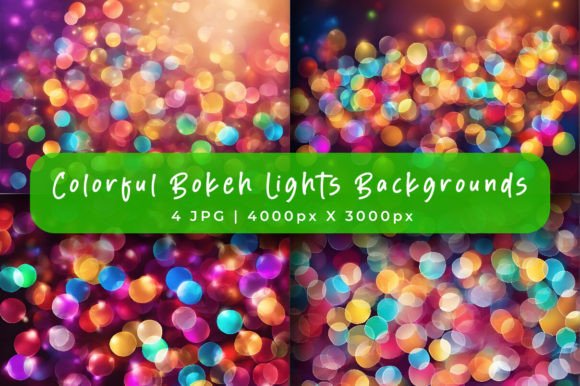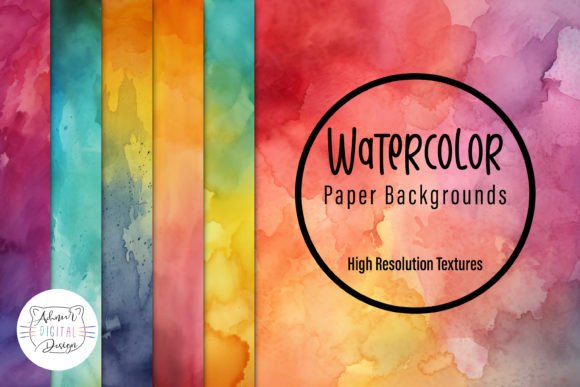
Energize Your Designs: The Power of Gradient Rainbow Colorful Backgrounds
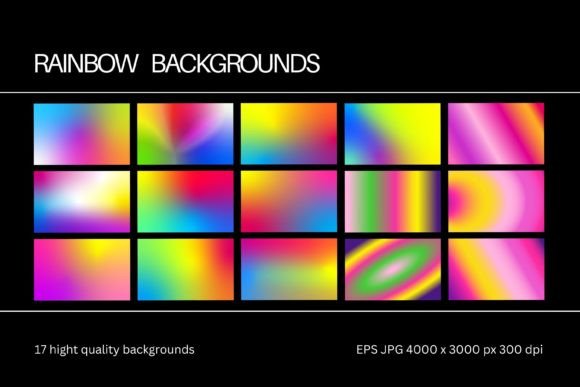
In the crowded digital landscape, a static, flat color often gets lost in the noise. If you are a designer, entrepreneur, or content creator, you know the struggle of finding a backdrop that feels modern, energetic, and professional all at once. This is where Gradient Rainbow Colorful Backgrounds come into play. These aren't just random splashes of color; they are carefully curated assets designed to add depth, movement, and a vibrant personality to your projects. Whether you are building a brand identity from scratch or refreshing your social media graphics, a high-quality gradient can instantly elevate your work from amateur to polished.
Understanding the Visual Appeal
What makes a gradient rainbow background so effective? It comes down to the psychology of color and the technical execution of modern typography and design trends. Unlike a single solid color, gradients mimic natural light and shadow, creating a sense of three-dimensionality. This specific collection offers a fluid blend of the full color spectrum, which conveys creativity, diversity, and joy. It strikes a balance between being bold enough to grab attention and subtle enough to let your foreground content—whether that’s text, a logo, or a product image—remain the star of the show. The style is undeniably contemporary, fitting perfectly with current UI/UX trends and the aesthetic preferences of Gen Z and Millennial audiences.
Practical Applications Across Industries
You might be wondering where these Gradient Rainbow Colorful Backgrounds fit into your specific workflow. The versatility is actually quite broad. For web design, these backgrounds serve as excellent hero sections or call-to-action overlays, instantly guiding the user's eye to important buttons or headlines. If you are involved in packaging design, a gradient background can make a product pop off the shelf, suggesting a product that is fun, innovative, or luxurious depending on the saturation.
For those in editorial design and publishing, these assets break the monotony of standard white pages. Imagine a magazine cover or a blog header that uses a soft rainbow gradient to frame a sans serif headline; it immediately signals that the content inside is fresh and relevant. Furthermore, small business owners can leverage these backgrounds for social media graphics. In platforms like Instagram or TikTok, where visual retention is split-second, a vibrant, colorful background stops the scroll. It provides a cohesive backdrop for quotes, announcements, and stories, helping to build a consistent brand identity without needing a complex photoshoot.
Technical Specifications and Usability
One of the most frustrating aspects of working with design assets is finding out they are low resolution or difficult to edit. This collection solves that problem by providing professional-grade files. You will receive a ZIP file containing two distinct formats: JPG and EPS.
The JPG files are ready to use immediately at a massive 4500 x 3000 pixels with a resolution of 300 dpi. This high fidelity makes them perfect for print projects like flyers, posters, and brochures, ensuring your colors remain crisp and not pixelated. However, the real power lies in the EPS files. Because these are vector-based, they offer infinite scalability. You can resize them to fit a billboard or a business card without losing quality.
More importantly, these assets are designed for flexibility. They are fully editable in major graphic programs. You can easily import them into Figma, Canva, Adobe Photoshop, and Adobe Illustrator. This means you aren't stuck with the default color scheme. If your brand guidelines require a shift toward warmer reds or cooler blues, you can adjust the hue and saturation to match your exact needs. This adaptability transforms a single background pack into a limitless library of design assets.
Integrating Gradients into Your Design Strategy
Simply dropping a colorful background behind your text isn't enough; you need to use it with intention. As a creative professional, I recommend looking at how the gradient interacts with your font pairing. Because rainbow gradients are visually busy, they work best with clean, legible typefaces. A bold sans serif font or a sturdy serif font usually provides the necessary contrast to ensure readability. Avoid using intricate script fonts or light handwritten fonts directly on top of a high-contrast gradient, as the varying colors can make thin strokes disappear.
Consider using the gradients for logo design mockups or to create a unique visual hierarchy. For instance, you could use a darker section of the gradient to place your main headline, ensuring maximum contrast, while using a lighter, more pastel section for secondary information. This approach creates a natural flow for the viewer's eye, enhancing the professionalism and engagement of your layout.
Maximizing Your Investment
When you download this collection, you are getting more than just pretty pictures; you are getting tools that support commercial and personal projects alike. Whether you are creating merchandise for sale or designing a personal blog, these backgrounds are ready for the task. The ability to change colors and sizes ensures that your work remains unique—you won't be using the exact same stock image as everyone else.
Take the time to experiment with the opacity and blending modes within your editing software. Overlaying these gradients with textures or combining two different gradients can create entirely new aesthetics. This level of customization is what separates generic design from strategic creative design.
If you found these assets helpful for your next project, I invite you to subscribe to stay updated on new products and design resources. Your feedback and suggestions are always welcome, as they help shape future collections. Thank you for visiting, and I hope these backgrounds bring a new level of energy to your work.