Conceptual Drawings Backgrounds: Unlocking Creative Versatility
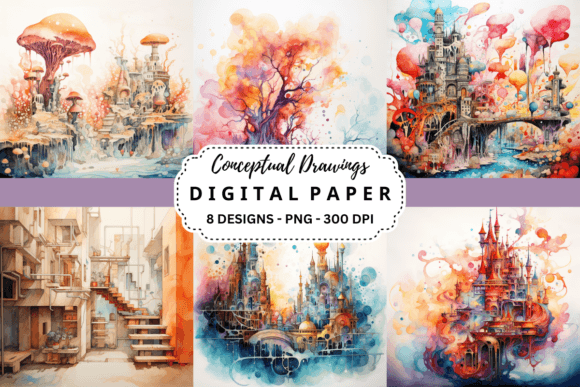
In the world of digital assets, finding a resource that bridges the gap between raw artistic expression and polished commercial utility is rare. The Conceptual Drawings Backgrounds collection offers exactly that balance. This set is not just a random assortment of textures; it is a curated library of high-resolution imagery designed to serve as the foundation for complex visual narratives. With eight distinct PNG files, each boasting a massive 3600 x 3600 pixel resolution and 300 DPI, the quality is undeniable. However, the true value lies in how these backgrounds function as a versatile canvas for a wide array of projects, ranging from social media graphics to professional print media.
The Visual Character of Conceptual Art
Understanding the visual personality of these backgrounds is key to using them effectively. Conceptual art relies on ideas and metaphors rather than literal representation. When you use these assets, you are introducing a layer of intellectual depth and artistic sophistication to your work. The style typically features sketched lines, abstract forms, and a texture that feels organic and human-made. This aesthetic moves away from the sterile perfection of digital vectors, offering a tactile quality that resonates with viewers on an emotional level.
The "conceptual" nature of these drawings implies a sense of process and brainstorming. Using them in brand identity projects can suggest that a company values innovation, creativity, and the "behind-the-scenes" work that drives progress. For a logo design presentation, overlaying the logo on such a background can contextualize the mark within a creative process, making it feel less like a corporate stamp and more like a piece of art. The visual noise and texture inherent in these files provide a rich ground for contrast, allowing crisp typography and clean vector elements to pop against a complex backdrop.
Practical Applications: From Packaging to Pixels
The utility of the Conceptual Drawings Backgrounds extends far beyond simple decoration. Because of the high resolution (300 DPI), these files are production-ready for offset and digital printing. This makes them excellent assets for packaging design, particularly for products in the creative, educational, or artisanal sectors. Imagine a coffee brand or a stationery line using these textured backgrounds on their wrapping paper or box inserts; it immediately communicates a hand-crafted, premium feel.
For digital creators, the applications are equally robust:
- Social Media Graphics: In a feed saturated with flat colors and generic stock photos, a textured, conceptual background stops the scroll. It adds depth to quote cards, announcements, and promotional banners.
- Web Design: These images can serve as hero sections for creative agencies or portfolio sites. When paired with a modern sans serif font, the contrast between the organic sketch and the clean digital text creates a dynamic visual hierarchy.
- Editorial Design: For bloggers and publishers, these backgrounds can transform a standard article header into an engaging piece of editorial design. They work exceptionally well for topics related to architecture, fashion, innovation, or art history.
- Invitations and Scrapbooking: The 3600x3600 dimension ensures that even when cropped for invitation cards or scrapbook pages, the image remains sharp and detailed, preserving the integrity of the sketch lines.
Strategic Typography and Visual Hierarchy
When integrating these backgrounds into your projects, typography becomes your most critical tool. A busy, textured background requires careful handling of text to ensure readability. This is where the choice of typeface plays a pivotal role. Avoid using intricate script fonts or handwritten fonts for body text, as they will get lost in the sketch details. Instead, opt for a clean, bold display font for headlines to cut through the visual noise.
Consider the principle of font pairing. If the background is chaotic and energetic, balance it with a structured, geometric serif font or a heavy sans serif. This contrast ensures that your message is communicated clearly while still benefiting from the artistic atmosphere of the background. For instance, placing white text inside a semi-transparent dark overlay box can solve readability issues while framing the content professionally. This technique maintains the brand perception of creativity without sacrificing usability.
Evaluating Fit and Licensing for Commercial Use
Before incorporating any design assets into a client project or a product for sale, it is vital to evaluate the fit and the licensing terms. These Conceptual Drawings Backgrounds are categorized as premium font assets—meaning they are high-quality resources intended for professional use. Whether you are designing for print on demand projects, creating digital planners, or developing marketing collateral, understanding the scope of the license is non-negotiable.
When evaluating if this style fits your project, ask yourself about the target audience. Does your brand personality lean towards the intellectual, the artistic, or the avant-garde? If you are a small business owner selling handmade goods or a marketer promoting a design agency, this style aligns perfectly. However, if you are designing for a highly corporate legal firm or a medical institution, the "rough sketch" aesthetic might undermine the desired sense of stability and trust.
Finally, always test your designs in context. Mock up a poster design or a banner design to see how the colors interact with the ink or pixels of the background. The versatility of the PNG format allows for easy layering in software like Photoshop or Illustrator, giving you full control over opacity and blending modes. By treating these backgrounds not just as "wallpaper" but as active design elements, you can elevate your work from standard to striking, ensuring your projects possess a unique, handcrafted character that stands out in a digital world.