Animal in Flower Backgrounds for Covers: A Design Deep Dive
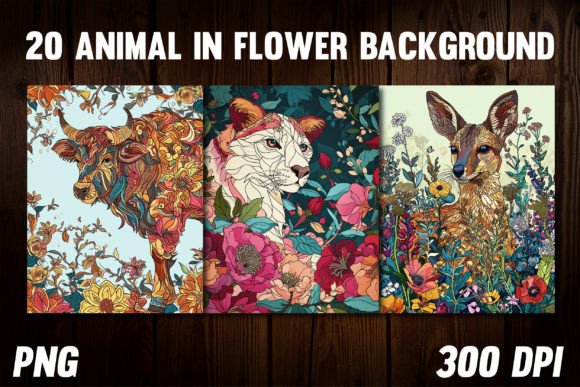
Stepping into the world of "Animal in Flower Backgrounds for Covers" feels less like browsing a stock library and more like discovering a curated gallery of digital art. The immediate visual impression is one of sophisticated harmony. You don't just see an animal; you see a fox woven into a tapestry of foxglove, or a hummingbird suspended among trumpet vines. The style isn't hyper-realistic photography but rather a refined illustration—often watercolor-inspired or a soft digital painting—that prioritizes mood over minute detail. The color palettes are deliberately chosen: soft pastels for a calming, whimsical feel, or richer jewel tones for a more dramatic, luxurious statement. The personality of these backgrounds is serene, organic, and inherently narrative. They suggest a story, a moment of quiet connection between the natural and floral worlds, making them a powerful design asset for anyone looking to inject genuine warmth and artistry into their projects.
Where These Backgrounds Truly Shine
The real-world applications for this collection extend far beyond a simple decorative backdrop. As a design professional, I immediately see their strength in projects where storytelling and brand personality are paramount. For book cover design, especially in genres like romance, fantasy, cozy mystery, or children's literature, these backgrounds provide an instant, evocative setting. They eliminate the need for complex photo compositing, offering a ready-made scene that supports the title typography without overwhelming it. In the realm of brand identity, a boutique florist, a wellness coach, a specialty tea brand, or an artisanal skincare line could use a cropped section of these backgrounds as a key visual element in their logo design, packaging, and social media graphics. The organic complexity lends itself beautifully to creating a cohesive and memorable brand world.
For Amazon KDP creators, the utility is exceptionally practical. These aren't just pretty pictures; they are formatted design assets. Use them as the foundational layer for a coloring book page, providing intricate outlines for users to fill. They become the textured, artistic inside covers for journals and planners, elevating a simple notebook into a gift-worthy item. In editorial design, they can transform a magazine feature header or a blog post hero image. Even in web design, a subtle, desaturated version can serve as a section background, adding depth without sacrificing readability for overlaid text. The versatility is the key—they function as a premium font does, offering a core stylistic voice that can be adapted across multiple formats.
Practical Guidance for Integration and Pairing
Choosing to use an Animal in Flower Background is the first step; integrating it effectively is where skill comes in. The most critical consideration is visual hierarchy. These backgrounds are rich in detail. Your primary text—be it a book title, a business name, or a headline—needs to command attention. This is where your choice of typeface becomes crucial. A bold, clean sans serif font often provides the strongest contrast against the organic shapes, ensuring legibility. Alternatively, a elegant serif font can complement the classic, artistic feel. Avoid overly decorative script fonts or handwritten fonts for main titles, as they can get lost in the background's complexity. Save those for smaller, supporting text where they can add flair without causing visual clutter.
Treat the background as you would a powerful display font—it sets the tone, but it needs partners. Always test your font pairings directly on the background. Create a mockup with your intended text overlays. Check the contrast at a glance: can you read the title in under three seconds? Is there enough "breathing room" around the text? Often, a semi-transparent overlay shape (a soft rectangle or circle) behind the text can create a necessary visual break, making your typography pop while still allowing the beautiful background to show through. Consider the commercial licensing carefully, especially if you're using these for client work or products for sale. The collection is marketed for digital download and KDP, but always verify the specifics for merchandise or large-scale printing.
Finally, think about consistency. If you're building a series of books or a cohesive brand, select backgrounds from the collection that share a similar color story or artistic style. This creates a recognizable series look, strengthening brand perception and audience engagement. The goal isn't to use the most complex image, but to choose the one whose mood best aligns with your project's core message. By treating these backgrounds as intentional, high-quality design assets rather than mere decorations, you unlock their full potential to create work that feels both professionally polished and deeply personal.