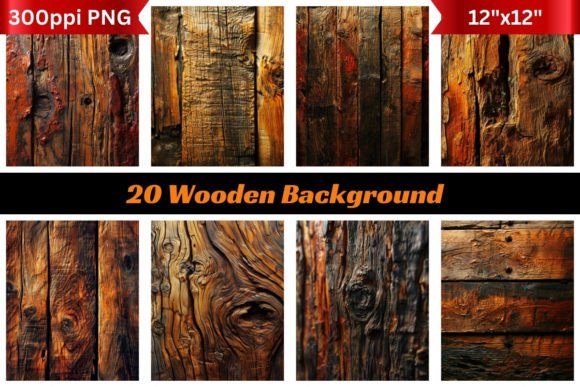
20 Wooden Backgrounds: Elevate Your Designs with Natural Texture
More Than Just a Backdrop: The Character of Wood
When you choose a background, you're not just filling empty space; you're setting the entire mood for your project. The 20 Wooden Backgrounds collection is a curated set of digital assets designed to do exactly that. Each image captures the authentic character of wood—its grain, knots, and natural color variations. You’ll find a spectrum of styles, from the clean, consistent lines of modern oak planks to the deeply textured, weathered surface of reclaimed barn wood. This isn't a uniform, sterile pattern. It's a genuine slice of nature that brings immediate warmth, organic texture, and a sense of history to your work. The visual personality here is grounded, honest, and versatile, making it a powerful tool for any creator looking to add a tactile, real-world feel to a digital canvas.
Where Wood Grain Makes a Lasting Impression
The true strength of this collection lies in its adaptability. Think about the projects where texture and authenticity matter most. For a graphic designer building a brand identity for a local café, a craft brewery, or an artisan workshop, these wooden textures provide the perfect foundation. They communicate craftsmanship and tradition without a single word. In web design, a subtle wood background can create a welcoming, user-friendly environment, especially for sites focused on lifestyle, food, or outdoor products. It avoids the cold, impersonal feel of a solid color, instead offering a connection to the natural world.
Beyond commercial branding, the applications are endless. Social media graphics gain a significant boost in engagement when they stand out from the typical digital noise. A post featuring a product shot or a motivational quote against a rich, wooden backdrop feels more substantial and intentional. For digital scrapbooking, the backgrounds provide a realistic base for layering photos and embellishments, creating pages with depth. Even in presentation design, moving away from a plain white slide to a carefully chosen wood texture can make your message feel more grounded and memorable. It’s a design asset that works just as hard for a small business owner’s Etsy banner as it does for a blogger’s Pinterest pin.
Integrating Texture into Your Design Workflow
Using a collection like the 20 Wooden Backgrounds effectively involves a bit of thoughtful selection. Start by considering the personality of your project. Is it rustic and traditional? A weathered pine or a distressed oak might be the ideal choice. Is it sleek and contemporary? Look for a background with a cleaner grain and a more uniform tone, like a light maple or a dark walnut. The goal is to match the texture to the emotion you want to evoke.
One of the most important practical steps is to test how your other design elements interact with the wood grain. A busy, high-contrast background can easily overwhelm text and logos. Here, a designer’s eye for hierarchy is crucial. You might need to place a semi-transparent overlay—perhaps a soft white or a muted brand color—between the background and your text to ensure readability. This technique allows the beautiful texture of the wood to show through while providing the necessary contrast for your message to be clear.
Font pairing becomes particularly important with textured backgrounds. A bold, clean sans-serif font often works beautifully, creating a modern counterpoint to the organic feel of the wood. Alternatively, a classic serif font can reinforce a traditional, established aesthetic. For projects requiring a personal touch, like a wedding invitation or a boutique label, a flowing script font can look stunning against a smooth, light wood background. The key is to create a balance where the typeface and the texture complement each other, rather than compete for attention. This collection of high-resolution downloads gives you the flexibility to experiment, find the perfect match, and build a cohesive visual story for any brand or personal project.